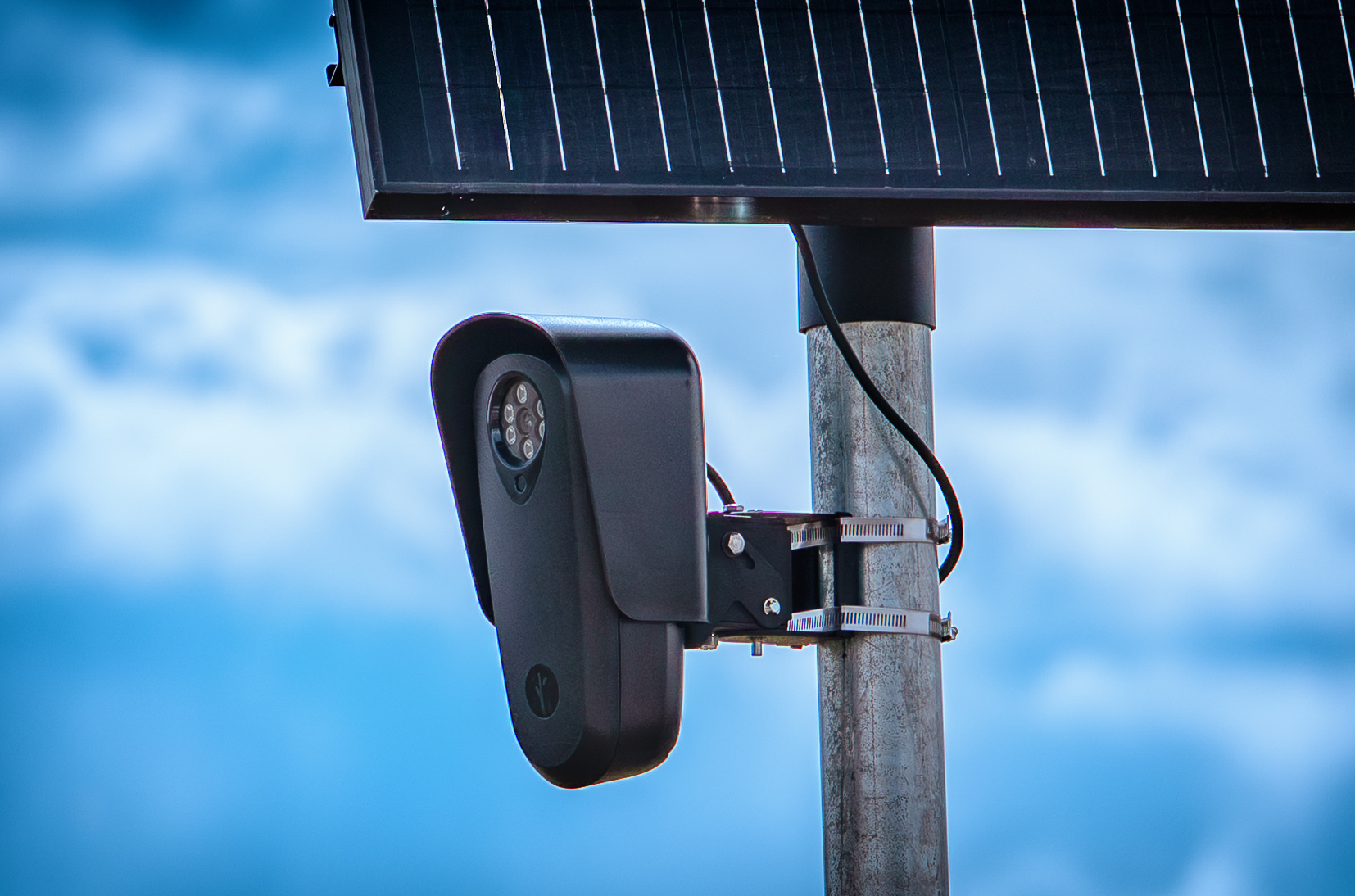
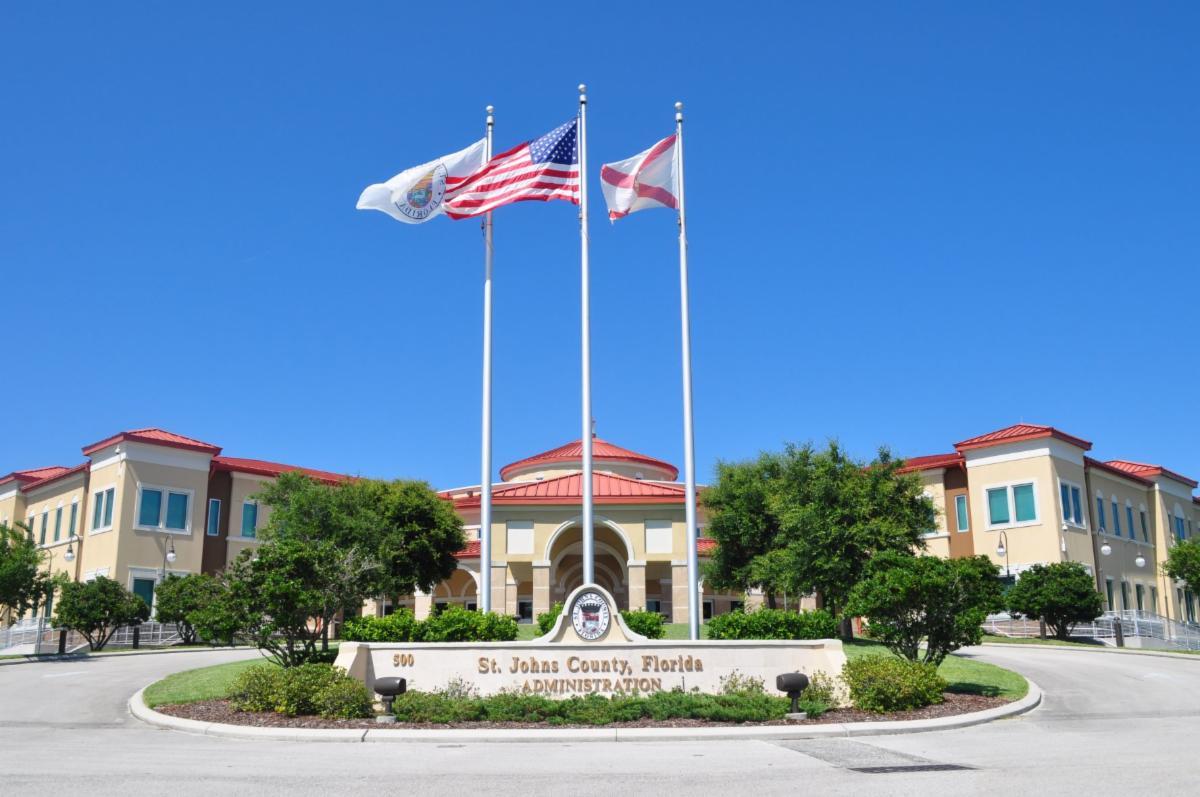
St. Johns County residents brought a 464-signature petition to county commissioners Tuesday, Aug. 18, calling for the Sheriff's Office to halt its use and expansion of Flock license plate readers and undergo an independent audit.
Deborah Campbell, appearing before commissioners for the second time on the issue, said opposition had "more than doubled" since she presented a petition with more than 200 signatures earlier this month. She called the camera network "warrantless mass surveillance on public roads."
The county's meeting video shows Campbell and at least two other residents addressing the five-member Board of County Commissioners during general public comment. The Flock program was not a scheduled agenda item, and commissioners took no vote on the requests.
Residents question data retention and searches
Campbell told commissioners the Sheriff's Office pays a $300-per-camera annual surcharge to retain license plate data for a year.
That retention period is about 52 times longer than the new seven-day standard that Flock Safety announced Aug. 13. The company previously had a standard retention period of 30 days.
Campbell also cited records she said showed more than 144,000 searches were conducted using county license plate data between January 2025 and June 2026. She said the system flagged 117 searches as suspicious and that all were ultimately classified as administrative errors involving incorrect case numbers.
"Our hard earned money is being used to run a permanent tracking grid against us," Campbell said.
A second resident, whose name was not clearly captured in the meeting recording, told commissioners that records he obtained showed approximately $4 million had been committed or paid to Flock Safety since 2022, with more than $2 million already invoiced.
He asked commissioners to halt expansion of the program, stop permitting additional cameras and commission an independent audit lasting roughly 120 days. He suggested the Florida Auditor General or the Office of Program Policy Analysis and Government Accountability conduct the review.
The speaker also told commissioners he had waited six weeks for Sheriff's Office records related to the cameras after initially being told the request would require about an hour to fulfill.
Another speaker backs cameras
A third speaker, Kailey Masters of State Road 16, spoke in support of the technology but sarcastically suggested placing cameras outside commissioners' and government employees' homes to make a point about what she viewed as unequal attitudes toward surveillance.
The Sheriff's Office has not publicly responded to the Aug. 18 petition.
However, Sgt. Kyle Cubbedge defended the technology in an interview with News4JAX earlier this year.
Cubbedge said the Sheriff's Office conducts quarterly audits and requires anyone searching the system to provide an active case number. Sheriff's Office data provided to News4JAX showed license plate readers helped recover 597 stolen vehicles, locate 151 missing people and lead to charges against 782 people over a two-year period.
As of January, more than 160 license plate reader cameras were operating in St. Johns County. News4JAX reported that number was expected to increase after the county received a $1 million state grant to enhance immigration enforcement.
Flock changes policies amid national scrutiny
The local dispute comes as Flock Safety changes some of its policies amid growing national scrutiny of automated license plate readers.
The company announced Aug. 13 that it would reduce its standard data retention period from 30 days to seven days. It also plans to require law enforcement customers to use an audit tool designed to flag abnormal searches and require searches to be connected to specific cases.
More than 50 agencies or jurisdictions have canceled, suspended or rejected Flock contracts or deactivated cameras since the beginning of 2026, according to a DeFlock tracker cited by the Los Angeles Times.
Police agencies have credited the technology with helping solve crimes and locate missing people, while privacy advocates have raised concerns about the collection and sharing of location data involving people who are not suspected of crimes.
No future St. Johns County hearing or vote on the Flock program has been publicly scheduled.



.jpg)