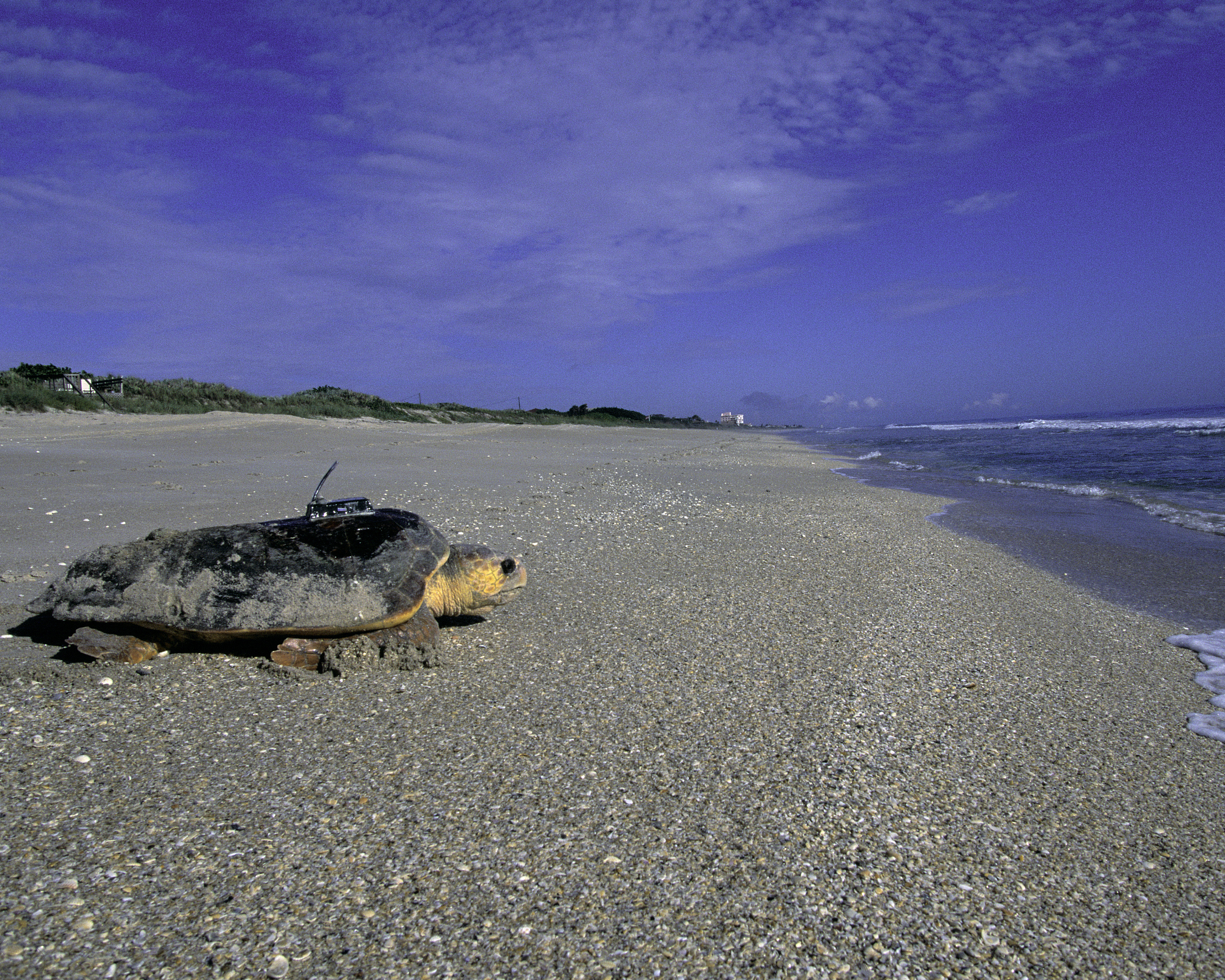
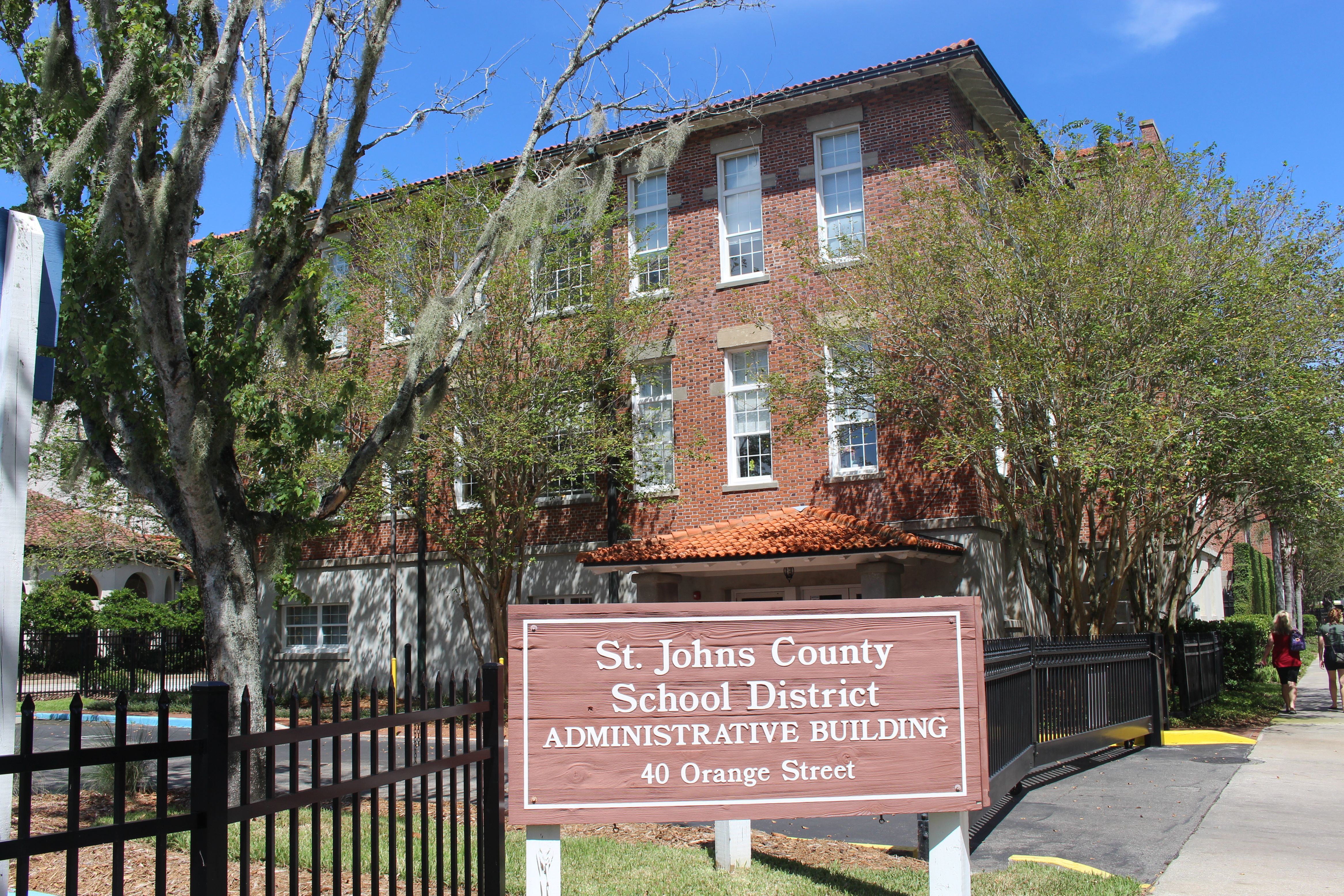
St. Johns County residents backed wildlife protections by margins of 85 to 94 percent along the county's 42 miles of Atlantic coastline, according to survey results released Monday, Sept. 21.
More than 1,000 people responded to a January 2026 survey on the county's Habitat Conservation Plan (HCP), a 20-year agreement with the U.S. Fish and Wildlife Service that governs beach driving, coastal construction and public recreation while protecting endangered sea turtles and native beach mice. The current plan and its associated Incidental Take Permit, approved in August 2006, expire this year.
The renewal will set the rules for beach use, coastal lighting, construction timing and wildlife monitoring through approximately 2046.
Ninety-four percent of respondents backed expanded public education and signage about wildlife. Ninety-one percent supported nighttime beach driving restrictions during marine turtle nesting season, and the same share favored maintaining a conservation zone free of encroachment for dune protection. Ninety percent supported keeping the coastal lighting ordinance, which requires beachfront homes to shield or redirect outdoor lighting visible from the beach during nesting season, typically May through October. Eighty-five percent supported restrictions on beach furniture and equipment left overnight.
Open-ended comments reinforced those numbers. More than 80 respondents called for stronger enforcement of existing conservation measures, and a similar number requested more off-beach public parking, according to the county.
The current permit expires this year.
Ashley Raybould, St. Johns County environmental supervisor, said the feedback is shaping the next plan. "The survey is helping us evaluate our priorities as we move through the renewal process," Raybould said in the county's announcement. She added that the survey gives the community a voice in balancing natural resource protection with the public beach access residents value.
St. Johns County is one of the few Florida counties that allows vehicles on the beach. Activities covered under the HCP include public and special-use beach driving, access for commercial fishermen, North Beach 4x4 users, horseback riders and authorized coastal construction. Conservation measures include training authorized drivers, removing ruts near nests before hatching, closing beach gates nightly and conducting lighting-compliance surveys six nights per week during nesting season.
New coastal construction cannot receive a certificate of occupancy until lighting inspections confirm compliance. The HCP also governs when beach nourishment and dune restoration projects can proceed, with projects that disturb habitat requiring coordination to avoid impacts during sensitive periods.
First Coast Observer first reported on the survey results Sunday, Sept. 20.
The county has not announced a timeline for draft plan release, federal review or final approval. Residents can monitor updates on the county's Habitat Conservation Plan webpage or subscribe to county e-newsletters through the Office of Public Affairs.

.jpg)