A state of emergency covering seven Florida counties after weekend flooding has real estate agents across Northeast Florida revisiting flood-zone disclosures, even in communities the declaration does not touch.
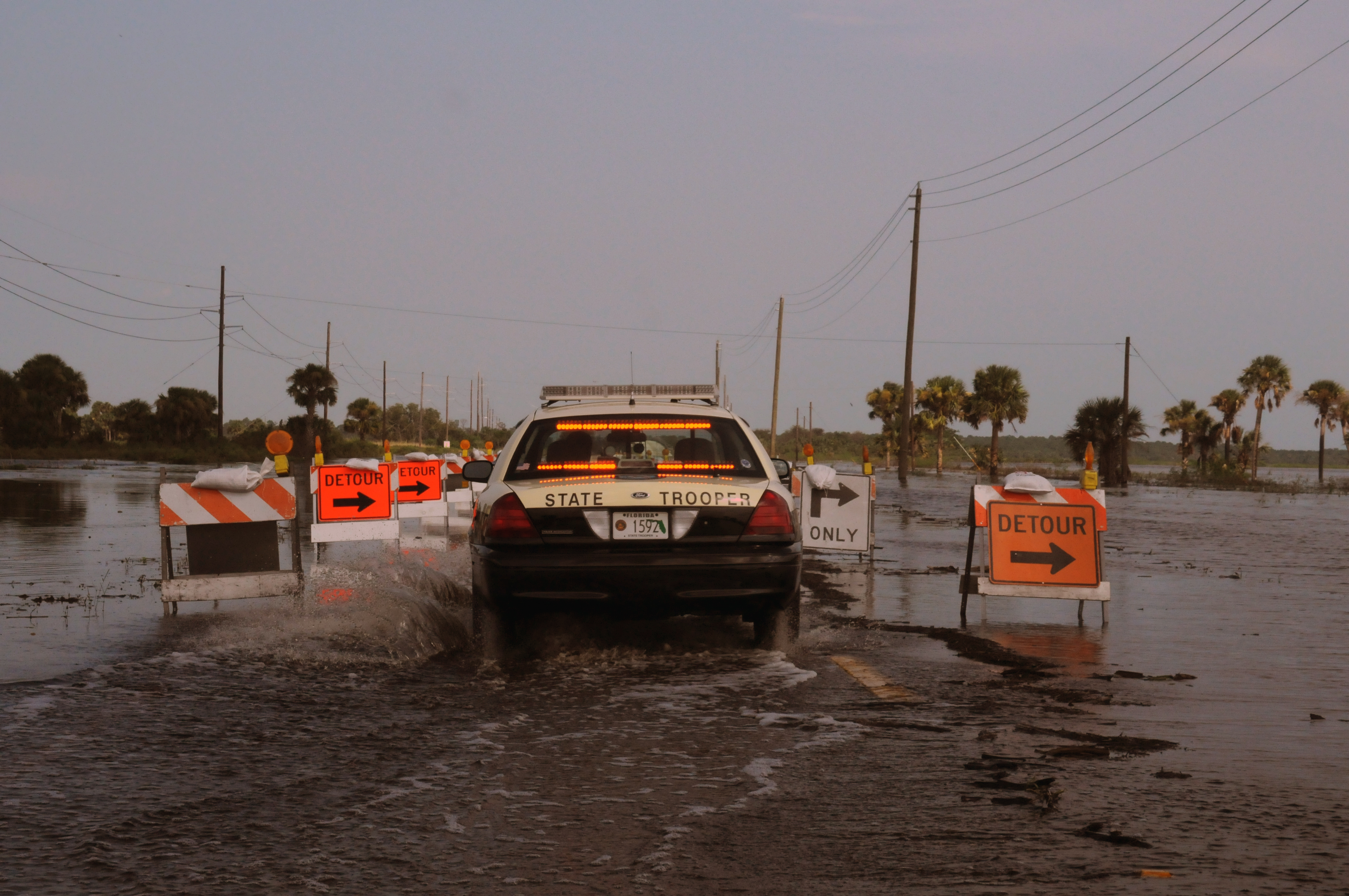
Gov. Ron DeSantis declared the emergency Nov. 2 in Brevard, DeSoto, Hardee, Highlands, Indian River, Martin and St. Lucie counties, First Coast Observer reported. Parts of Indian River, Martin and St. Lucie counties received 6 to 14 inches of rain. Inland areas across DeSoto, Hardee and Highlands counties saw 5 to 13 inches, leaving roads closed and some in Brevard County impassable.
St. Johns County is not covered by the declaration. But the flooding carries practical lessons for local buyers and agents, according to First Coast Observer, because the St. Johns River, Intracoastal Waterway and tidal creeks create recurring flood exposure in the area.
What the industry activated
Florida Realtors opened its Disaster Relief Fund (DRF) to help eligible members whose primary residences or offices sustained serious physical or structural damage, including water intrusion. Applicants must have been part of the organization before the disaster.
The fund does not cover loss of income. Applicants need color photos of damage, an insurance summary page, an insurer's written damage assessment, repair estimates and qualifying repair receipts before starting an application. The application cannot be saved partway through, according to Florida Realtors.
Florida Realtors also advised agents with customers in affected areas to check whether clients are safe, confirm properties are accessible before showings or inspections, and flag concerns about pending sales early with brokers, lenders and closing agents. Questions about contract obligations can go to the Florida Realtors Legal Hotline at 407-438-1409.
What it means along CR 210 and Julington Creek
Real estate transactions in Northeast Florida increasingly hinge on flood-zone designations, elevation certificates and National Flood Insurance Program (NFIP) participation, First Coast Observer reported. Buyers with mortgages on properties in FEMA-designated Special Flood Hazard Areas face mandatory flood-insurance requirements, and premiums can add hundreds of dollars to monthly costs depending on a home's elevation relative to base flood elevation.
Krista Fracke, a broker associate with Christie's International Real Estate First Coast, publishes MLS-based flood-zone breakdowns for the CR 210 corridor and St. Johns County on her website. As of late September, her data showed 98% of the 261 homes listed along CR 210 mapped to minimal-hazard Zone X, where lenders do not require flood insurance. Four listings, about 2%, fell in high-risk Zone A.
County-wide, Fracke's data showed 85% of 2,629 St. Johns County listings in Zone X. About 11% fell in Zone AE, the high-risk floodplain with mapped base flood elevations requiring mortgage-linked flood insurance. The Julington Creek and Switzerland area showed 95% of 291 listings in Zone X, with 14 in high-risk zones.
Those figures are drawn from live MLS inventory and shift daily.
Disclosure and contract risks
Flooding between contract and closing can upend timelines, according to First Coast Observer. Under standard Florida purchase agreements, material changes to a property's condition, such as new water intrusion, must be disclosed. Buyers may have the right to renegotiate, demand repairs or walk away depending on contract language.
Fracke noted on her site that Florida does not require a seller to disclose that a home has flooded. She wrote that on the CR 210 corridor, the homes that take water in heavy rain are rarely the lake and lagoon lots built to flood elevation. They are interior lots at the bottom of a subdivision's grade and new-construction lots whose grading was finished quickly.
County Road 210 runs along the high ground of northern St. Johns County between the St. Johns River and the Intracoastal marshes, according to Fracke's site. Three creeks cross it on their way to the river: Trout Creek, Durbin Creek and Sixmile Creek. FEMA maps a high-risk band along each.
New development in St. Johns County must meet current stormwater-management standards, including retention ponds and swales, First Coast Observer reported. The effectiveness of those systems depends on ongoing maintenance by homeowners' associations and local governments.
Florida Realtors maintains the DRF as a standing resource, activated on a disaster-by-disaster basis. Northeast Florida agents who experience qualifying damage in a future event would follow the same application process.