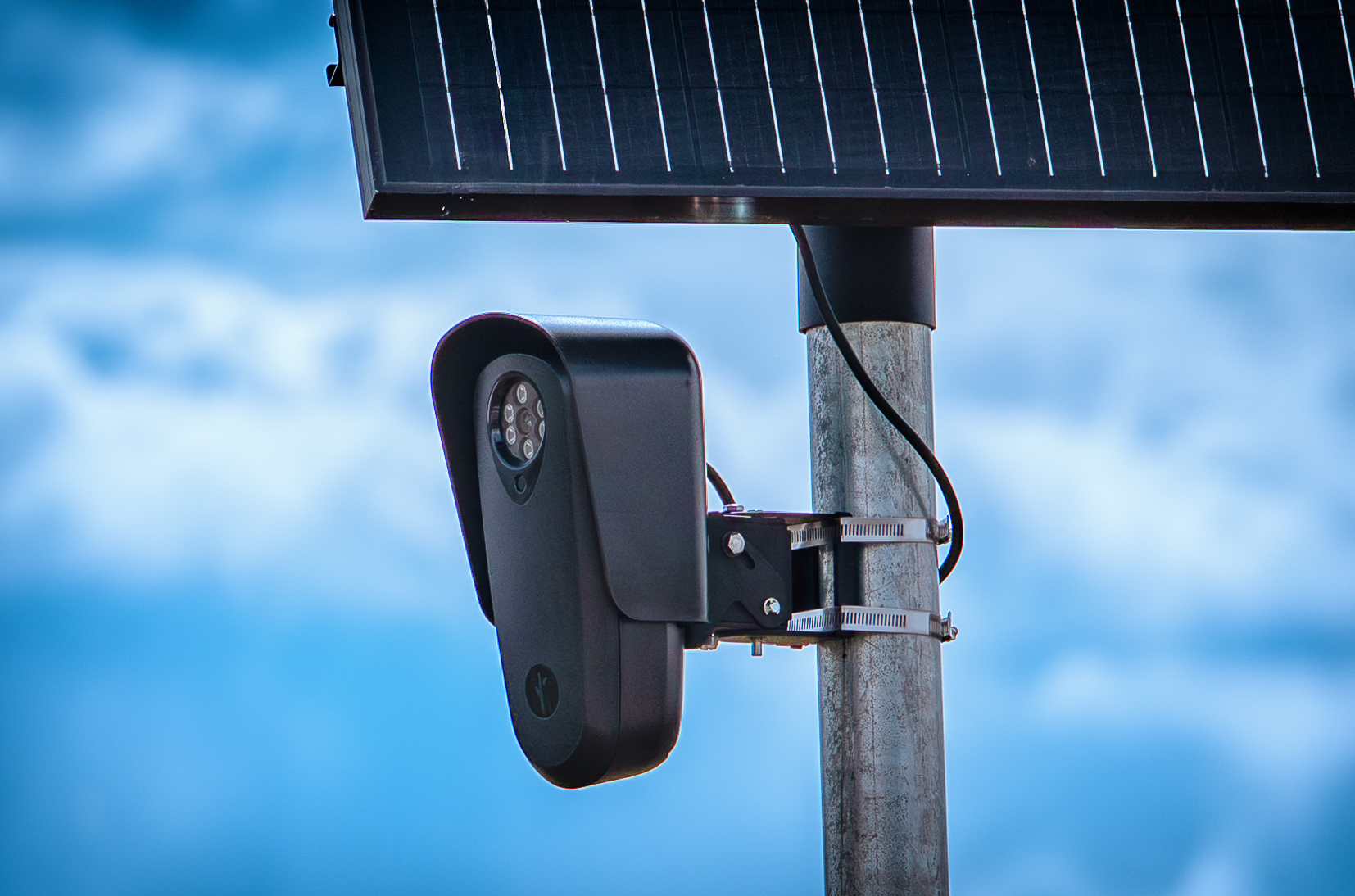
St. Johns County commissioners voted 3-2 Tuesday, Oct. 20, to revoke permits for Flock license plate readers in county rights of way, a decision that could affect 89 cameras identified by the Sheriff's Office.
County staff identified approximately 45 cameras through its permit review, while the Sheriff's Office reported 89 readers. The difference was discussed during the meeting, with officials noting that some permits could cover multiple devices.
Sheriff Robert Hardwick criticized the decision in a statement after the vote. The decision "encroaches on my ability to keep our community safe," he said, according to St. Johns Citizen.
Commissioner Christian Whitehurst made the motion. Commissioner Sarah Arnold seconded it, and Commissioner Ann Taylor voted yes. Commissioners Krista Joseph and Clay Murphy voted no.
The vote does not affect privately operated readers, such as those used by homeowners associations, Action News Jax reported.
No timetable has been announced for removing or disabling the affected cameras.
Privacy vs. public safety
The vote followed months of debate over automated license plate readers, known as ALPRs, which capture vehicle license plates and associated location information on public roads.
Whitehurst said the issue was not whether deputies could be trusted but whether sufficient safeguards existed to prevent misuse. He favored revoking the permits until state lawmakers established clearer rules governing the technology.
"We're talking about how the people choose to be governed," Whitehurst said at the Oct. 20 meeting, according to St. Johns Citizen.
Arnold said she would stand with Gov. Ron DeSantis, who directed the removal of license plate readers from state roads. Murphy said he could not support suspending the readers but would favor a 30- to 60-day period to address data concerns. Joseph described the technology as essential to public safety.
Sheriff's Office outlines safeguards
Before the vote, Sheriff's Office Director Skip Cole spoke on Hardwick's behalf. Cole argued that crime victims had been overlooked in the debate.
He said an internal review identified one case of employee misuse involving a detective who suspected a scam and used the system to track a vehicle he was purchasing.
Cole outlined safeguards the Sheriff's Office said it had implemented, including reducing data retention from one year to 30 days, restricting access and ending automatic data sharing with outside agencies. He also described supervisory approval requirements for searches.
Cole emphasized that license plate reader information provides investigative leads but does not independently justify a traffic stop, search or arrest.
The Sheriff's Office has defended the technology as an investigative tool. Officials credited license plate readers with helping locate a suspect in an armed bank robbery Oct. 16.
Residents divided over cameras
Among those urging commissioners to retain the cameras was Forrest Bailey, father of murdered teenager Tristyn Bailey. He said he first learned about license plate readers while his daughter was missing.
"When I see these Amber Alerts, when I see the Silver Alerts, I think that this technology gives people hope that their loved ones will come home," Bailey said at the hearing, according to St. Johns Citizen.
Other residents urged commissioners to remove the devices, citing concerns about government surveillance and the collection of vehicle location data.
One speaker told commissioners their constituents "have been very clear that we want all ALPR removed from all county right of ways."
What comes next
Hardwick said the Sheriff's Office supports legislation establishing clear standards for automated license plate readers and intends to continue working toward restoring the cameras.
The dispute dates to at least September, when Whitehurst called for their immediate removal and Hardwick defended the system during a commission meeting.
Commissioners declined to take action at that time, instead directing county legal staff to examine the county's authority over cameras installed in its rights of way.
The Oct. 20 vote authorized revocation of the county permits, but questions remain about the precise number of affected devices and when removal will begin.