The Federal Housing Administration (FHA) will begin accepting two additional credit-scoring models that can factor in rent-payment history starting Jan. 1, 2027, potentially helping renters in St. Johns County and across Northeast Florida qualify for home loans.
The new models, VantageScore 4.0 and FICO Score 10T, can incorporate rental payment data not captured by traditional credit scores. They will be accepted alongside Classic FICO scores for eligible FHA-insured mortgages, according to an Oct. 8 announcement from the U.S. Department of Housing and Urban Development.
The policy applies to FHA case numbers assigned on or after Jan. 1, 2027. Lenders may use the additional models, although not every lender is expected to offer them immediately.
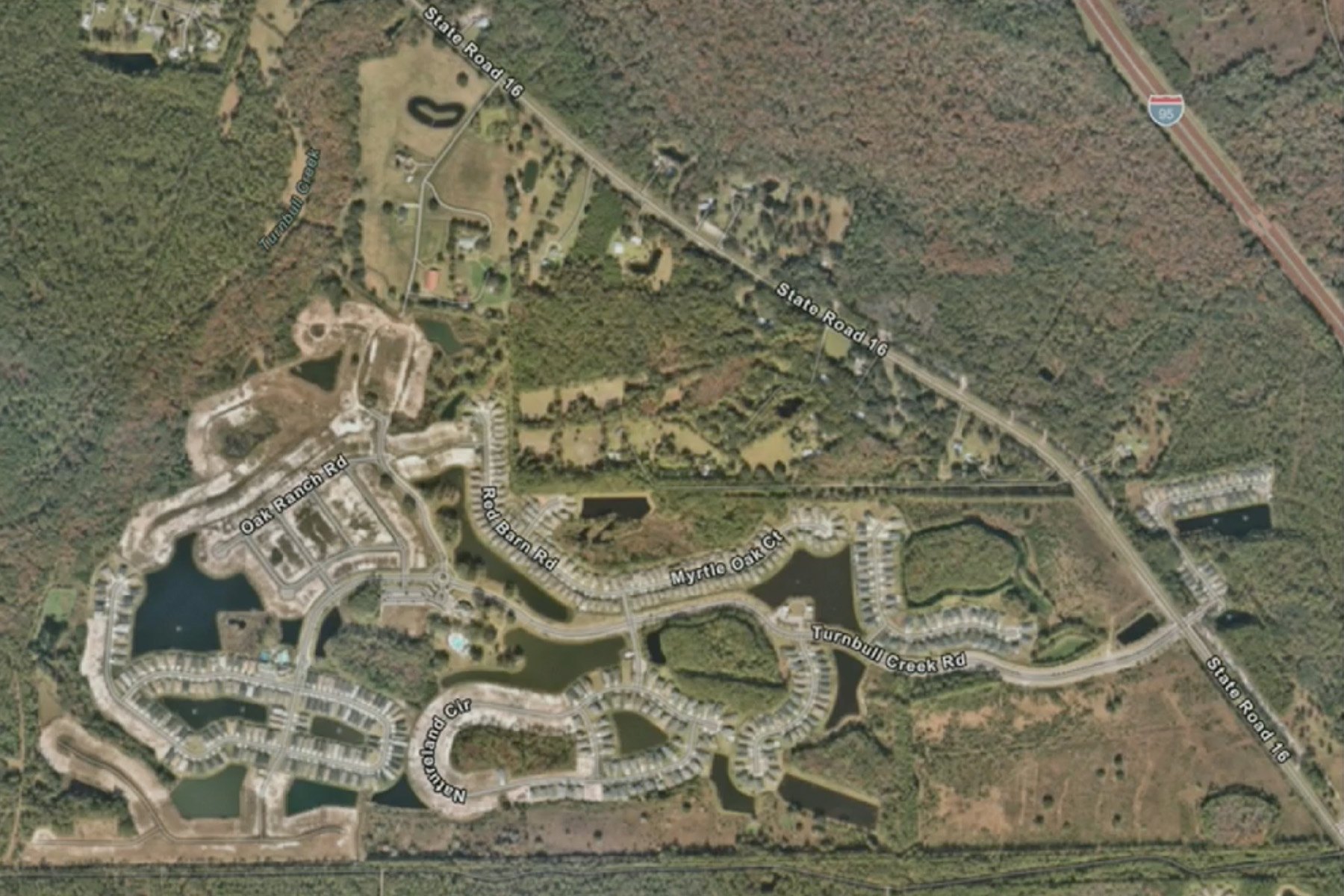
U.S. Housing and Urban Development Secretary Scott Turner discussed the changes during a visit to a D.R. Horton development in Palm Harbor with U.S. Rep. Anna Paulina Luna. Builders, real estate professionals and young residents discussed obstacles facing first-time buyers, according to Florida Realtors.
"We want to focus on the young Americans to get them into the real estate game and to build generational wealth," Turner said, according to Spectrum News.
Turner also noted that younger Americans who consistently pay rent and utilities have historically received limited credit for those payments when applying for mortgages.
The change comes as homeownership has become increasingly difficult to reach. The National Association of Realtors' 2025 Profile of Home Buyers and Sellers found the median age of first-time buyers reached a record 40. First-time buyers accounted for just 21% of purchases during the survey period.
What it means for St. Johns County renters
For renters across St. Johns, Duval, Clay and Nassau counties who consistently pay rent but have limited credit card or auto-loan histories, the additional scoring models could improve their chances of qualifying for an FHA-insured mortgage.
The change may particularly benefit borrowers with limited traditional credit histories who have demonstrated financial responsibility through regular housing payments.
There is a catch: Not all landlords or property-management companies report rent payments to credit bureaus. Without that information, the new models cannot factor those payments into a borrower's score.
Even when rent payments are reported, they do not automatically improve a credit score or guarantee mortgage approval.
Other FHA lending requirements still apply, including income, debt-to-income ratio and applicable employment and financial documentation standards.
FHA-insured loans are commonly used by first-time buyers because qualifying borrowers can make down payments as low as 3.5% and may qualify with lower credit scores than those required for many conventional mortgages.
New scoring models raise questions
Some analysts and lenders have raised concerns about how the new models assess mortgage risk.
Consulting firm Milliman analyzed approximately 46 million loans from 2013 through 2023 and found that VantageScore tended to produce slightly higher scores than traditional FICO models, according to Realtor.com.
The analysis also found differences in default rates among borrowers with lower credit scores. Milliman concluded that both models were useful predictors of mortgage performance but should not be treated as interchangeable without adjusting approval thresholds and pricing.
Melissa Cohn, regional vice president of William Raveis Mortgage, told Realtor.com that lenders may be hesitant to adopt unfamiliar scoring systems immediately.
"You don't work with one credit model for decades and then adopt a new one right away," Cohn said.
The findings highlight the importance of evaluating how different scoring models measure risk rather than assuming that a higher score necessarily indicates a more qualified borrower.
What happens next
FHA lenders and their technology partners are preparing for the Jan. 1, 2027, implementation date. The agency has issued guidance to help lenders update their systems and processes, although the availability of the new scoring options may vary by lender.
During his Palm Harbor visit, Turner also estimated a nationwide housing shortage of 5 million to 7 million units and said federal efforts aim to reduce construction costs and expand housing supply.
For Northeast Florida renters interested in buying a home, the new policy offers another potential path to mortgage qualification, but it does not eliminate other barriers, including home prices, insurance costs and down payments.
Renters who believe the changes could help them qualify should ask their landlords or property managers whether rental payments are reported to credit bureaus.
Third-party rent-reporting services may also be available, sometimes for a fee. Before enrolling, consumers should confirm which credit bureaus receive the information and whether their prospective mortgage lender uses a scoring model that considers it.
Prospective buyers can also ask FHA-approved lenders which credit-scoring models they plan to offer beginning in January.