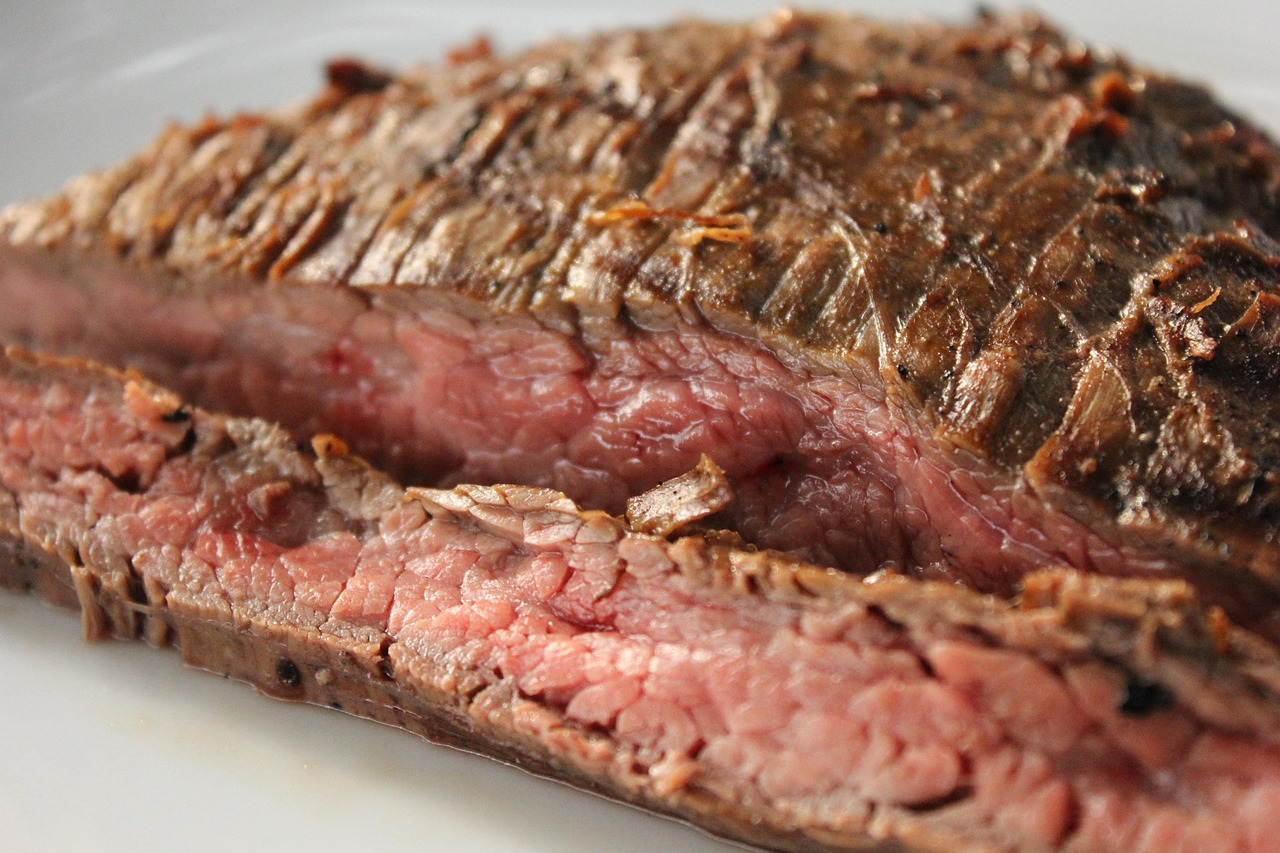
The Florida Farm Bureau Federation, led by former St. Johns County Commissioner Jeb Smith, is pushing back against President Donald Trump’s plan to allow up to 300,000 metric tons of tariff-free imported ground beef into the country over 90 days.
Smith, a fifth-generation Hastings-area farmer who raises cattle, hay and sod, has served as president and CEO of the statewide agricultural organization since 2021. His family has worked land in St. Johns County for more than a century.
Trump announced the proposed temporary tariff relief Friday, Aug. 21, saying foreign suppliers had committed to selling imported beef at prices 25% below current market levels. He framed the move as consumer relief while giving American ranchers time to rebuild the nation’s depleted cattle herd. The White House said Trump planned to sign an executive order within two weeks, according to Fox Business.
The Florida Farm Bureau responded Sunday, Aug. 23, calling the plan a flood of underpriced imports that would harm domestic cattle producers facing high costs, weather challenges and supply-chain disruptions. The organization said the announcement triggered immediate market effects at a critical time for cattle producers making herd decisions and that the impacts could outlast the 90-day tariff relief, according to St. Johns Citizen.
The Farm Bureau said it supports making groceries more affordable but argued that relying on foreign beef would weaken the domestic food supply. It called for market-based solutions that support American production while lowering costs for consumers.
Florida ranked ninth nationally in beef cows as of Jan. 1, 2025, according to the Florida Department of Agriculture and Consumer Services. That ranking is different from Florida’s overall cattle ranking, which includes dairy cattle.
The backlash extends beyond Florida. National Cattlemen’s Beef Association CEO Colin Woodall said the announcement and other recent market interventions “throw cold water on the prospect of herd expansion and sacrifices long-term stability for short-term messaging,” according to Successful Farming. American Farm Bureau Federation President Zippy Duvall warned the plan would amount to nearly a 60% increase in beef imports over the next 90 days.
Ground beef averaged $6.89 per pound in July, up 57% over five years, according to Federal Reserve Bank of St. Louis data. The U.S. cattle herd stood at about 86.2 million head at the start of 2026, the smallest national inventory since the early 1950s, according to the U.S. Department of Agriculture.
Cattle groups argue that large volumes of below-market imports could lower prices paid to ranchers and discourage herd rebuilding.
In St. Johns County, cattle ranching has declined as development has spread. A 2018 USDA estimate put the county at about 1,400 head, down from at least 15,000 in the 1980s. Smith’s own operation included about 100 head on 300 acres in Hastings as of 2018, according to the St. Augustine Record.
Live and feeder cattle futures fell after Trump’s announcement. The proposed 300,000 metric tons of imports equals about 44 days of U.S. ground-beef consumption, according to market analyst Scott Varilek of Kooima Kooima Varilek, as reported by AgWeb.
Trump had not identified the countries that would supply the beef as of Aug. 25. The proposed executive order was expected within two weeks of the Aug. 21 announceme


.jpg)